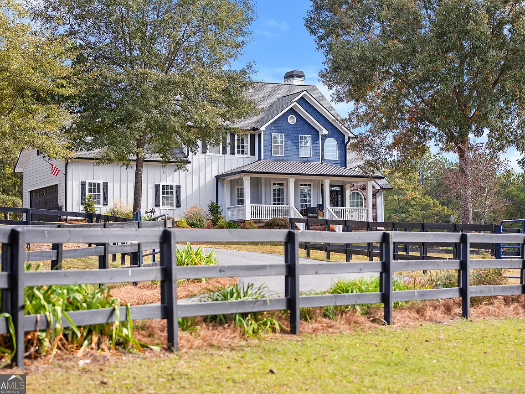
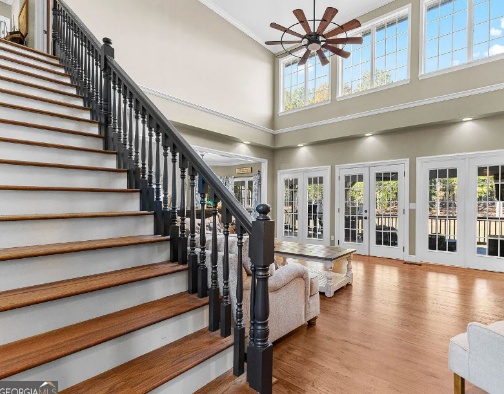
$489,000
Old Fourth Ward, Atlanta
Communities · Atlanta
The local guide to buying, selling, and living in Atlanta — markets, neighborhoods, schools, and the realities of moving here.
Atlanta isn't one market — it's twenty, side-by-side. A buyer can drive ten minutes and cross from a $300K bungalow neighborhood into a $1.5M tree-lined corridor without changing zip codes. The right move depends entirely on which trade-offs you can live with: walkability or yard space, public transit or car-dependent, intown energy or suburban quiet, APS or a city school system. This guide breaks down what's actually different between the parts of town, so you can search the market that's right for you instead of "Atlanta" generally.
At a glance
Median Price
City of Atlanta — varies widely by neighborhood.
Days on Market
Metro-wide average. Intown moves faster.
Active Listings
City of Atlanta + close-in suburbs.
School Districts
APS, Decatur, Fulton, DeKalb, plus charters.
Atlanta's neighborhood character changes block by block. The short version of the most active areas:
Atlanta has multiple school systems within the metro: Atlanta Public Schools (APS) serves the city of Atlanta proper, while suburbs like Decatur, Brookhaven, Sandy Springs, and others run their own systems. Adjacent counties — Fulton, DeKalb, Cobb, and Gwinnett — each have countywide school systems with very different reputations zone by zone. The right school question isn't "are Atlanta schools good?" — it's "what school zone is this specific address in, and what are those schools rated?"
Charter and magnet options exist throughout APS and the metro. Private schools — Westminster, Pace Academy, Lovett, Holy Innocents', and many others — are a major factor in Buckhead and the north metro.
Atlanta's traffic is real, and where you live should be picked partly around where you work. MARTA (rail and bus) serves the urban core well, with stations along the Red, Gold, Blue, and Green lines; intown professionals working in Buckhead, Midtown, Downtown, or near Lindbergh often choose neighborhoods on the rail line specifically. The Atlanta BeltLine connects intown neighborhoods with a continuous walking and biking trail and is a major lifestyle factor for adjacent areas.
For commuters to perimeter office parks — Cumberland (north), Central Perimeter (Sandy Springs), Alpharetta — adjacent suburbs tend to win on commute time over intown locations. Hartsfield-Jackson (the world's busiest airport) sits south of the city; frequent travelers often weigh that trip carefully.
Food: Atlanta is one of the most interesting food cities in the South, with strong concentrations on Buford Highway (international), the Westside (modern), and along the Beltline. Parks: Piedmont, Grant, Centennial Olympic, and the rapidly-expanding BeltLine corridor. Culture: the High Museum, Fox Theatre, Center for Civil and Human Rights, plus a deep music scene from hip-hop to indie. The metro punches well above its weight on weekend options.
Active in Atlanta
$489,000
Old Fourth Ward, Atlanta
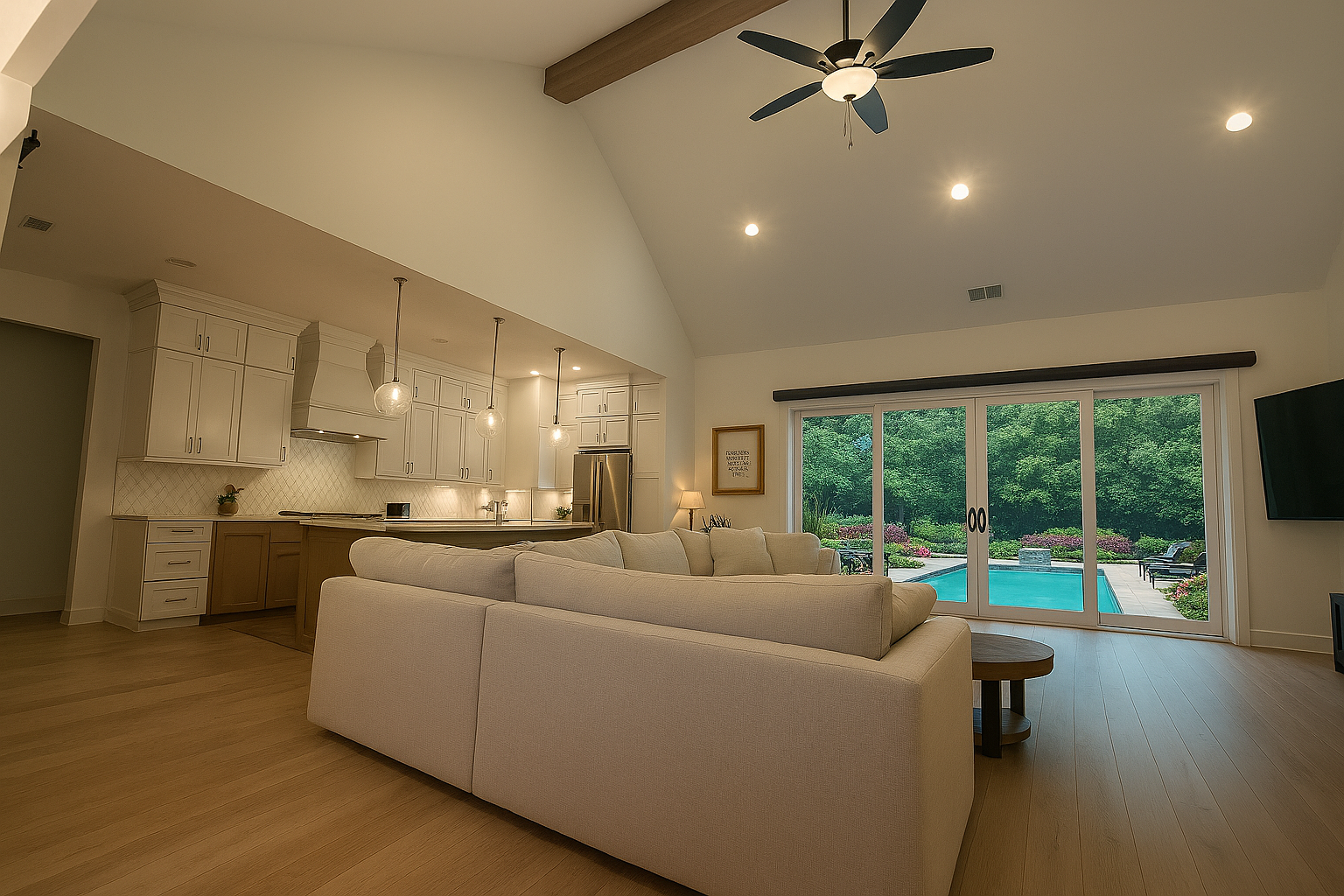
$675,000
Brookhaven, Atlanta
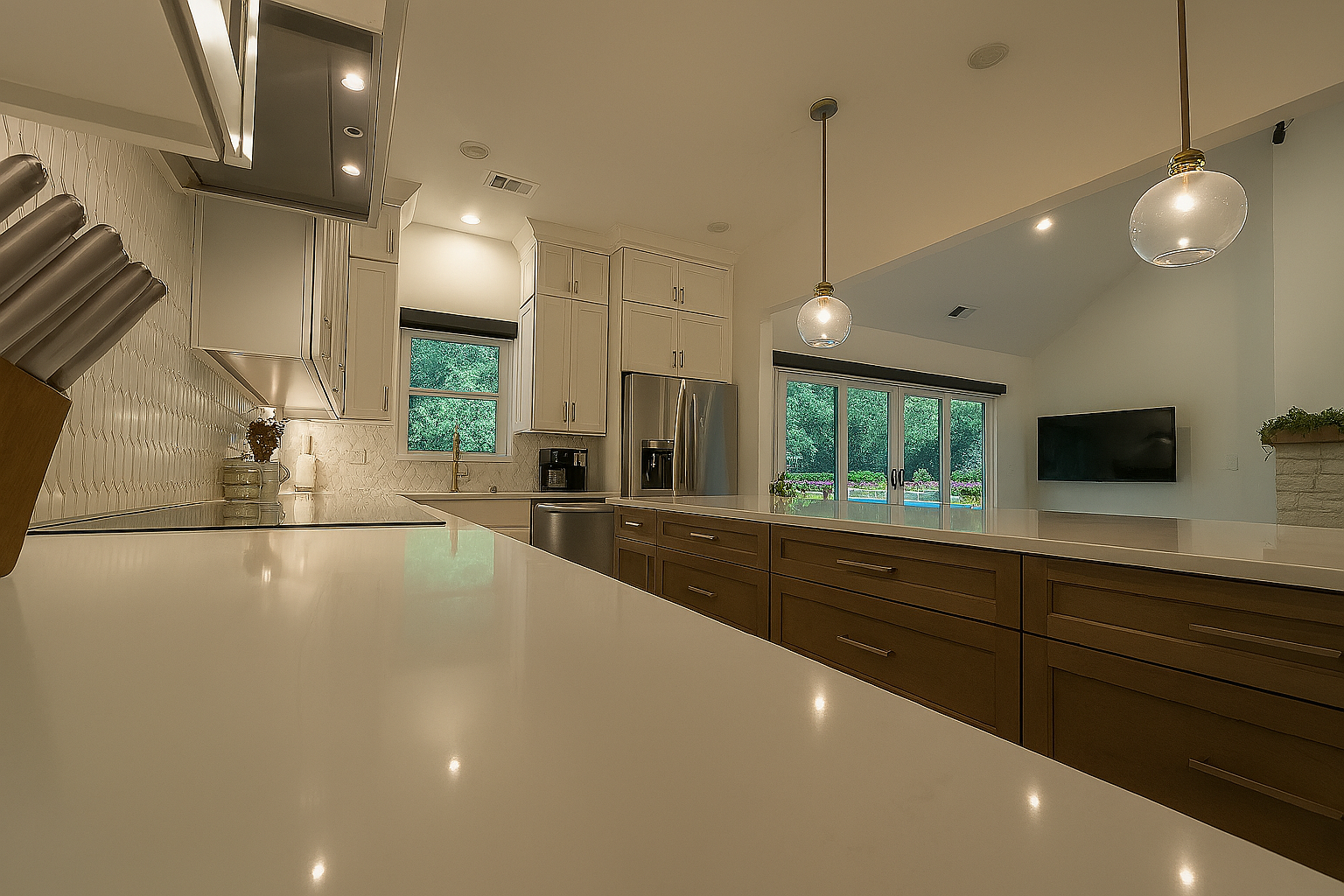
$355,000
Midtown, Atlanta
City of Atlanta has a median in the mid $400Ks; the broader metro is closer to the mid $300Ks. Both vary dramatically by neighborhood — intown core areas often run well above the median while parts of the southside remain among the most accessible in the metro.
Brookhaven, Decatur (its own school system), Morningside, Druid Hills, and parts of Buckhead intown. Outside the city limits: Vinings, Smyrna, East Cobb, and parts of Sandy Springs.
Real, but solvable with the right address. MARTA serves the core well, the Beltline keeps intown trips walkable, and choosing a home on the same side of town as your office matters more here than in most cities.
Different schools, different taxes, different feel. City of Atlanta = APS + walkability; suburbs = often their own school systems and city governments. Ally walks through both options based on what your priorities actually are.
For a lot of buyers, yes — but not for everyone. Beltline-adjacent homes have appreciated faster than the city average and offer a real walkable lifestyle. Buyers who don't intend to use it daily often find better value a few blocks off the trail.
Free 20-minute consultation. We'll cover where you're looking, what you can realistically get for your budget, and what's worth seeing first.
Schedule a Call